
How to Clean a Wound at Home Without Making It Worse
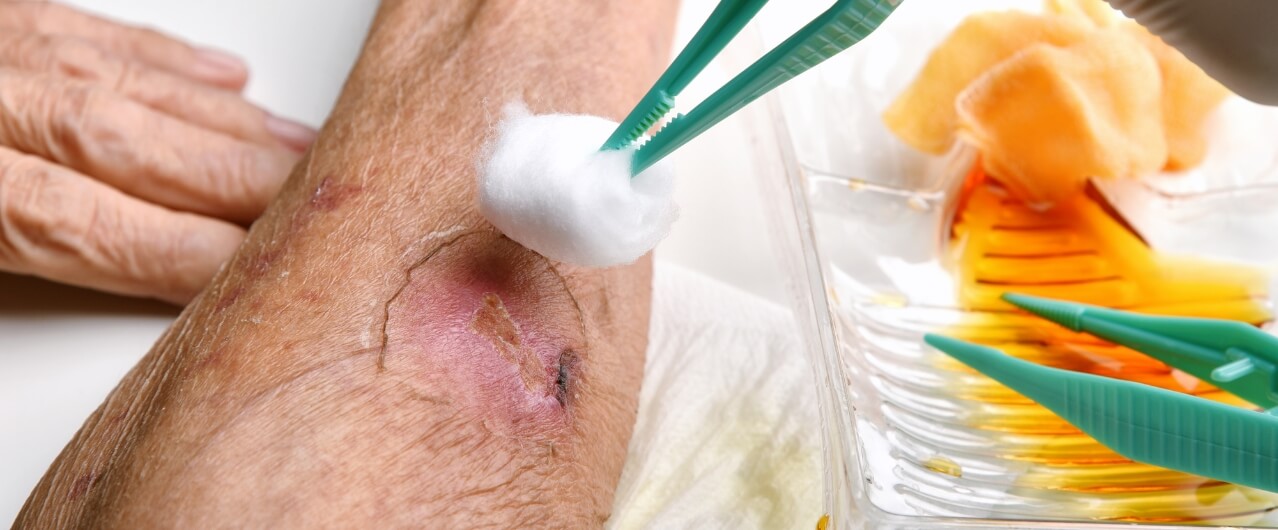
How to Clean a Wound at Home Safely and Support Healing
Caring for a wound at home can feel stressful, especially when you’re worried about doing the wrong thing. Many caregivers want to help, but conflicting advice online (or from well-meaning friends) can make daily wound care confusing. The goal of proper wound cleaning isn’t to “scrub it clean,” but to protect the wound, reduce bacteria, and support the body’s natural healing process. At Advanced Wound Care, we often see wounds that were unintentionally irritated or delayed by overcleaning or using harsh products. Knowing what’s safe (and what to avoid) can make a meaningful difference.
What Is Safe to Use When Cleaning a Wound
For most wounds, simple and gentle is best. Safe options typically include:
- Clean water or normal saline to rinse away debris
- Mild, fragrance-free soap for cleaning the surrounding skin (not inside the wound)
- Clean gauze or a soft cloth to gently pat the area dry
When cleaning, use light pressure and avoid scrubbing. The goal is to remove visible debris, not to disturb healthy tissue that’s trying to heal. Always wash your hands thoroughly before and after wound care.
What to Avoid During Daily Wound Care
Some products commonly found at home can actually slow healing or damage healthy tissue. Avoid:
- Hydrogen peroxide or iodine for routine cleaning (they can kill healing cells)
- Alcohol or harsh antiseptics
- Cotton balls or tissues, which can leave fibers behind
- Scrubbing or picking at scabs or tissue
These approaches may seem helpful, but they often do more harm than good, especially for chronic or slow-healing wounds.
How Often Should a Wound Be Cleaned
In most cases, wounds should be cleaned once daily or during dressing changes, unless otherwise directed by a medical provider. Overcleaning can dry out the wound and disrupt healing. If a wound produces heavy drainage, becomes soiled, or shows signs of infection, it may need more frequent attention, but that’s also a sign it should be evaluated by a specialist.
When to Call in Professional Wound Care Help
If a wound isn’t improving, or if you notice increasing redness, swelling, drainage, odor, or pain, it’s time to call in help. Wounds that last longer than two weeks, worsen over time, or occur in patients with diabetes or circulation problems need advanced care to heal safely. Mobile wound care brings professional treatment directly to the home, ensuring wounds are cleaned, treated, and monitored correctly, without the stress of clinic visits.
Caring for a wound doesn’t have to feel overwhelming, and you don’t have to figure it out alone. If you’re unsure whether a wound is being cared for properly or healing as it should, contact Advanced Wound Care today. Our mobile team can provide expert guidance and treatment right at home!